Syria’s Saga: Lessons for the Middle East and the World Beyond
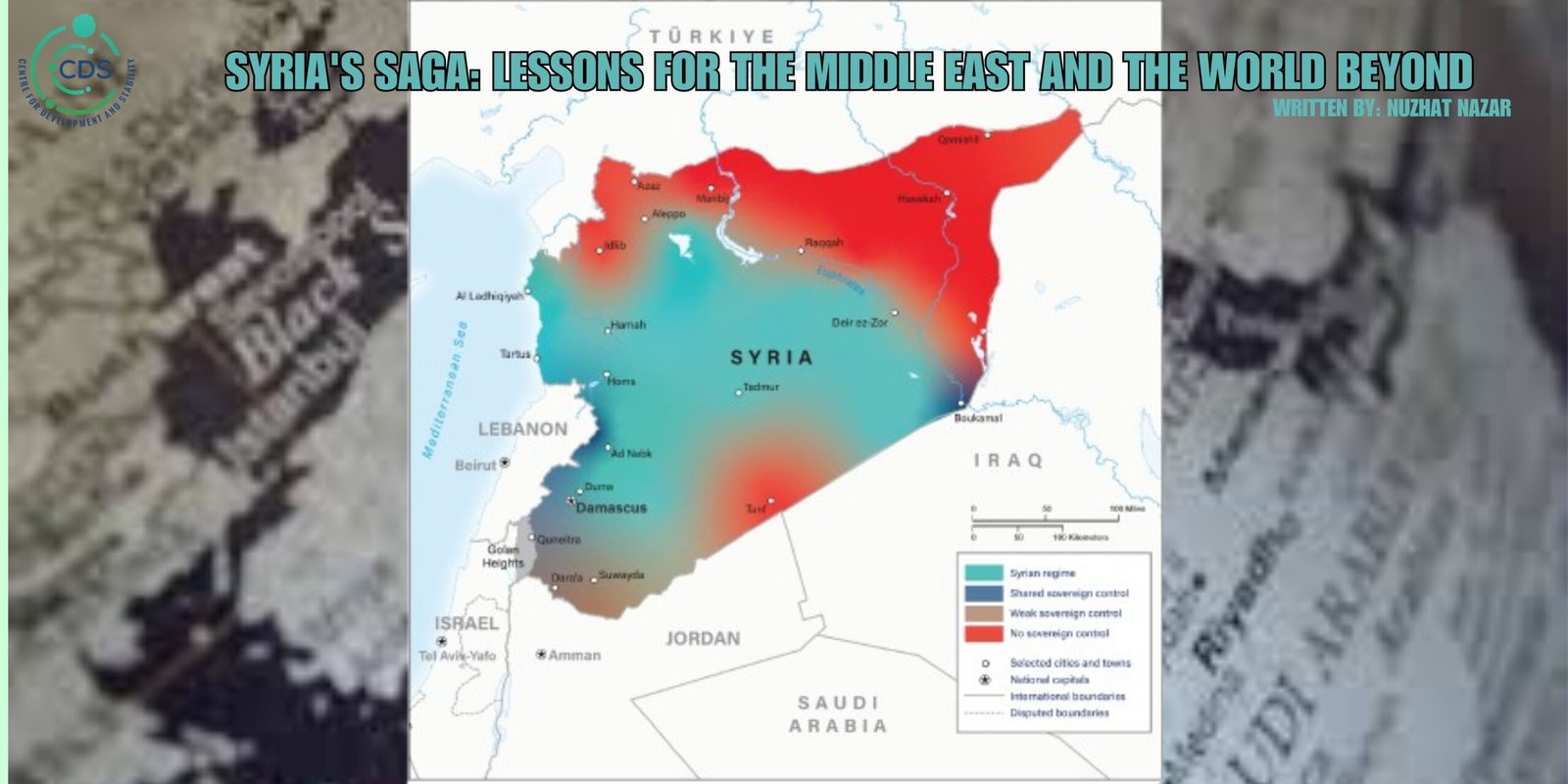
The Syrian conflict, which began in 2011 as a popular uprising against the Assad regime, has evolved into one of the most complex and devastating crises of the 21st century.
The Syrian conflict, which began in 2011 as a popular uprising against the Assad regime, has evolved into one of the most complex and devastating crises of the 21st century. This prolonged struggle has not only reshaped Syria but has also sent ripples across the Middle East, profoundly affecting regional geopolitics, economies, and societies. While the conflict has diminished in intensity, its ramifications serve as a powerful lesson for the global community.
The Syrian Quagmire: A Brief History
The Syrian civil war is a multifaceted conflict involving the Assad regime, rebel factions, extremist groups, and foreign powers such as the United States, Russia, Turkey, and Iran. Initially sparked by demands for political reform, it quickly morphed into a brutal war that displaced over 12 million people and claimed hundreds of thousands of lives.
The involvement of external actors turned Syria into a battleground for proxy wars, exacerbating the suffering of its people. The Islamic State of Iraq and Syria (ISIS), exploited the chaos to establish its caliphate, further destabilizing the region. Although ISIS has been largely defeated, the scars of its reign remain visible in Syria and Iraq.
Impacts on the Middle East
- Refugee Crisis and Demographic Shifts
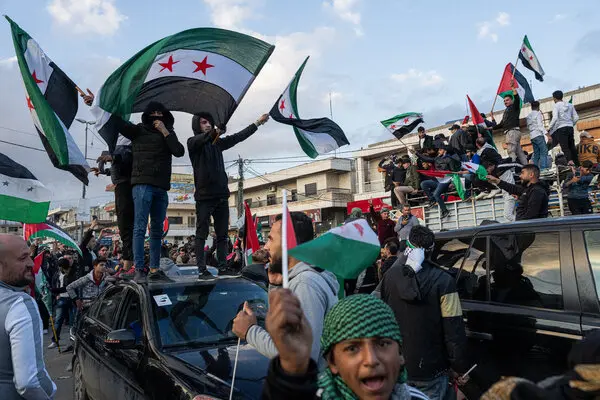
Syria’s neighbors, particularly Turkey, Jordan, and Lebanon, have borne the brunt of the refugee crisis. Hosting millions of displaced Syrians has strained these countries’ economies, infrastructure, and social fabric. The crisis has also highlighted the inadequacy of international responses to large-scale displacement. - Regional Power Dynamics
The Syrian conflict has redefined alliances and rivalries in the Middle East. Iran’s support for Assad strengthened its influence in the region, alarming Saudi Arabia and Israel. Meanwhile, Turkey’s military incursions in northern Syria highlighted its strategic concerns over Kurdish groups. - Economic Fallout
The war disrupted trade routes, destroyed infrastructure, and drained resources. Countries like Lebanon, already struggling with internal challenges, saw their economic woes compounded by the spillover effects of the Syrian war. - The Rise of Extremism
The power vacuum in Syria allowed extremist ideologies to flourish, with groups like ISIS attracting recruits from around the world. This has had lasting repercussions on regional and global security, forcing nations to rethink their counterterrorism strategies.
Lessons to Be Learned
- Preventive Diplomacy is Key
The Syrian conflict underscores the importance of early intervention through diplomatic means. The international community’s delayed response allowed the situation to spiral out of control, demonstrating the need for proactive measures to address political unrest before it escalates into full-blown conflict. - The Perils of Proxy Wars
Syria became a theatre for competing global and regional powers, prolonging the conflict and worsening the humanitarian crisis. The lesson is clear: external interventions must prioritize peacebuilding over power struggles. - Strengthening International Humanitarian Systems
The refugee crisis revealed significant gaps in the global humanitarian response. There is an urgent need to reform international mechanisms to provide timely and adequate support to displaced populations. - Reconstruction and Reconciliation
Post-conflict reconstruction is as critical as conflict resolution. Syria’s future hinges on rebuilding its shattered infrastructure and fostering reconciliation among its fragmented communities. The international community must support these efforts without imposing external agendas. - Combatting Extremism Holistically
Addressing the root causes of extremism, such as poverty, disenfranchisement, and lack of education, is essential for long-term stability. Military solutions alone cannot eradicate extremist ideologies.
A Call for Collective Responsibility
Syria’s saga is a stark reminder of the devastating consequences of war and the interconnectedness of our world. The Middle East, with its intricate web of alliances and rivalries, remains particularly vulnerable to the ripple effects of such conflicts. However, the lessons from Syria extend beyond the region, urging the global community to act with foresight, unity, and compassion in addressing crises.
The Syrian people have paid a heavy price for the world’s failures. As the dust settles, their resilience offers a beacon of hope. But hope alone is not enough—it must be matched with tangible actions to ensure that Syria’s tragedy is never repeated elsewhere.
The author is a journalist affiliated with Business Recorder, a newspaper. *The views and opinions expressed herein, and any references, are those of the author and do not necessarily reflect the editorial policy of the Centre for Development and Stability (CDS).